

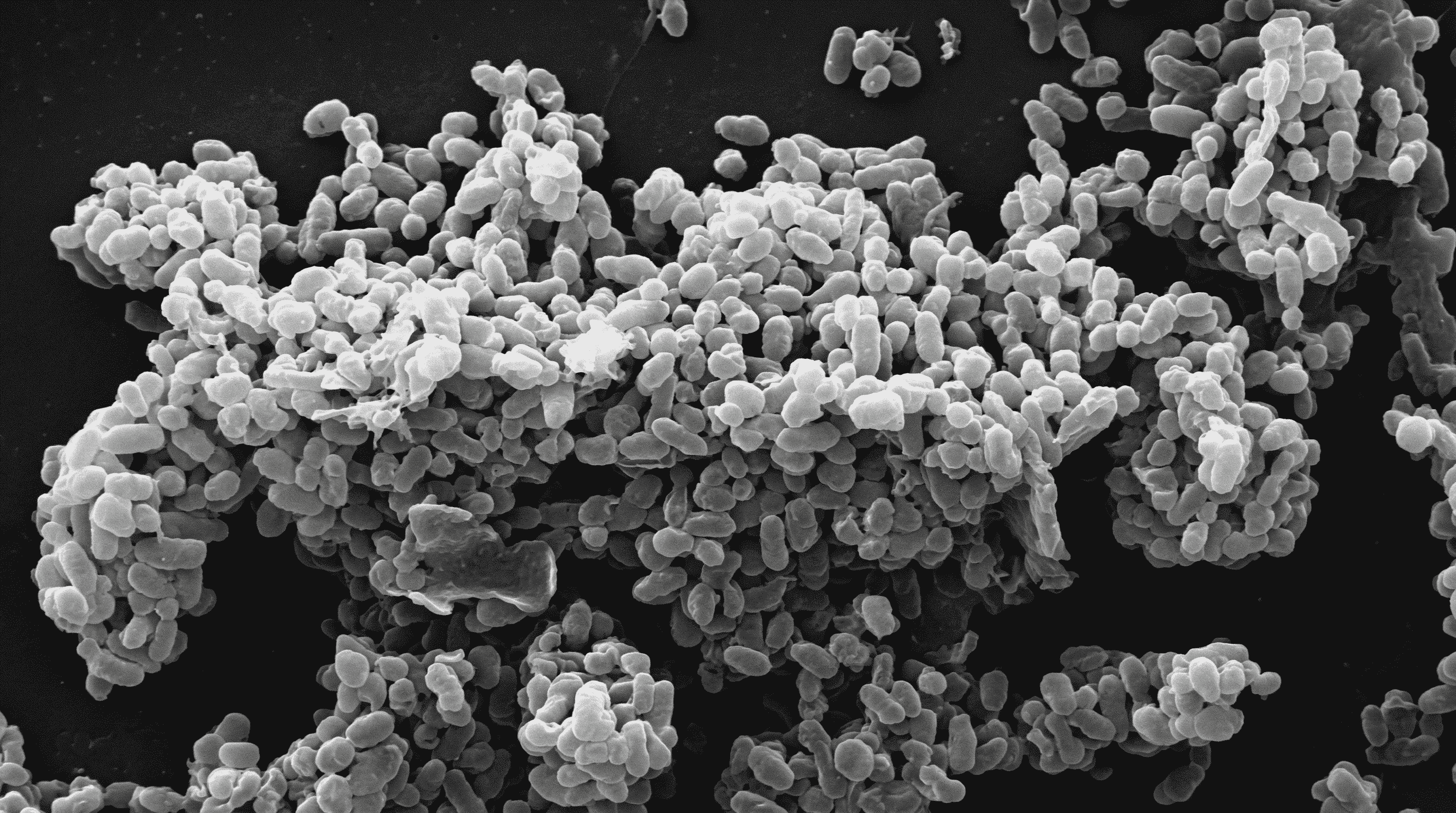

Ali Rıza Akın perspective: why is it difficult to isolate a live anaerobic species?
Ali Rıza Akın, a microbiologist/researcher working on the human microbiota and next-generation probiotics, describes Akkermansia muciniphila particularly through its “anaerobic” nature. The fact that this species can only survive in an oxygen-free environment creates serious technical requirements in live isolation and production processes: minimizing oxygen exposure, special anaerobic cabinets/equipment, correct gas mixtures, suitable culture media, and strict quality control are necessary. This perspective allows us to see Akkermansia not just as a “microbe,” but also as a bioprocess and standardization problem.
1) Taxonomy, discovery, and ecological niche
A. muciniphila is defined as a Gram-negative, strict anaerobic commensal adapted to live in the mucus layer of the human gut ecosystem. The key feature that makes it intriguing is its ability to use mucin glycoproteins produced by the host as a “substrate” rather than carbon sources from the diet.
The mucus layer is a dynamic interface that mechanically and chemically protects the epithelial surface while also serving as a barrier between the microbiota and the host. The positioning of Akkermansia here is primarily associated with processes such as barrier integrity, the contact of microbial products (e.g., LPS) with the epithelium, and low-grade inflammation.
2) Genomic and functional infrastructure: mucin degradation and surface proteins
2.1 Genomic scale and adaptation logic
Between different strains, the genome size and core functional set appear to be relatively conserved. This supports the idea that it carries a “core metabolic backbone” that adapts to the mucus niche. However, intraspecies differences are important in terms of clinical effect and product standardization: different strains of the same species may carry different sets of enzymes, surface components, and host interaction profiles.
2.2 Mucin degradation: enzymatic toolbox
Mucin is a complex molecule due to its dense glycan branching and chemical modifications. For Akkermansia to be able to degrade mucin, it requires enzymes such as glycosidases, sialidases, sulfatases, and various peptidases. This enzymatic capacity not only affects the growth of Akkermansia but also contributes to the formation of “cross-feeding” networks in the ecosystem through the utilization of sugars released from mucin degradation by other species.
2.3 Surface proteins and the “postbiotic” approach
The effects of Akkermansia are not always solely linked to live colonization. In some mechanistic narratives, outer membrane proteins and cell surface components are considered candidate structures that modulate host immune/metabolic signals. This approach also clarifies why “pasteurized/heat-inactivated” forms or component-based (postbiotic) options, which are more stable and manageable in production compared to live bacteria, are being researched.
3) Barrier biology: mucus layer, permeability, and endotoxemia
The strongest framework in the Akkermansia literature is established through the functional integrity of the intestinal barrier. When the barrier is disrupted, the passage of microbial products in the lumen into the bloodstream may increase (metabolic endotoxemia). This condition is associated with systemic low-grade inflammation and insulin resistance.
As a species living in the mucus layer, Akkermansia is associated with mechanisms such as the regulation of mucus turnover, support of epithelial “tight junction” structures, and balancing the access of microbial products to the epithelium. The critical detail here is this: Mucin “degradation” is not inherently negative; when considered in the correct context, it is part of homeostasis along with the dynamic renewal of the mucus layer.
4) Metabolic effects: energy balance, lipids, and insulin sensitivity
Observational studies frequently report an association between the abundance of A. muciniphila and better metabolic parameters (such as lower fat mass and better glycemic control). In experimental (especially animal) models, a chain extending to insulin sensitivity through healing effects on barrier/immune tone is proposed.
However, it is not always correct to expect the same magnitude and consistency of effect in human data. The microbiota is shaped by a multitude of variables, including diet, medications (especially metformin, antibiotics), genetics, sleep, stress, physical activity, and the initial microbiota composition.
5) Immune signaling: TLR axes and low-grade inflammation
Low-grade inflammation in the context of metabolic syndrome and obesity is a significant determinant of clinical outcomes. Akkermansia is evaluated as one of the candidate species that may help shift the host immune response away from “overstimulation” towards a more balanced profile in some mechanistic models.
The technical discussions in this section generally revolve around the following axes:
- Host receptors: Particularly signaling through Toll-like receptor (TLR) pathways.
- Connection between barrier and immunity: Strengthening the barrier → reducing the passage of microbial products into circulation → lowering inflammatory tone.
- Immune-metabolic cross-talk: Interactions between cytokine profiles and the insulin response of metabolic tissues.
6) Clinical evidence: what do human studies say?
6.1 What do we know?
In human studies, Akkermansia interventions generally focus on three targets: (1) safety and tolerability, (2) metabolic biomarkers (such as insulin sensitivity, lipid profile), (3) barrier/inflammation indicators. Some pilot studies have reported that particularly the heat-inactivated/pasteurized form signals positively in certain metabolic parameters.
6.2 What should we read cautiously?
- Sample size: Statistical power may be limited in pilot studies.
- Population heterogeneity: Insulin resistance, obesity, medication use, and dietary differences can influence outcomes.
- Clinical endpoints: Short-term biomarker changes may not always translate into long-term clinical benefits.
6.3 Practical “evidence reading” table
| Title | Human data | Experimental/mechanistic support | Practical interpretation |
|---|---|---|---|
| Safety / tolerability | Moderate | High | Generally well tolerated; however, individual circumstances should be assessed. |
| Insulin sensitivity | Moderate | High | There is a positive signal in some studies; generalizability is being investigated. |
| Barrier / inflammation | Low-Moderate | High | The mechanism is strong; human biomarkers may be heterogeneous. |
| Weight loss | Low | Moderate | Even if present, it is small; lifestyle factors are decisive. |
7) Nutritional strategies supporting Akkermansia: fiber subtypes
“Consuming fiber” alone is not a specific enough recommendation; because fiber subtypes have different fermentation profiles. In practice, two main approaches are discussed for the Akkermansia ecosystem: (1) increasing fiber diversity, (2) reducing factors that negatively affect the mucus-barrier axis.
7.1 Prominent fiber subtypes
- Inulin / FOS: Found in sources such as artichoke, onion, garlic, leek, asparagus.
- Resistant starch: Can be increased with examples like cooled potatoes/rice, green bananas.
- Diversity principle: Not a single fiber; rotating different fiber types generally provides better tolerance and a broader microbial response.
7.2 Tolerance and dosing
Increasing fiber may cause bloating/gas. This does not necessarily mean “it’s going badly”; however, the dose should be gradually increased, adequate water intake should be ensured, and individual tolerance should be monitored. Personalization is important, especially since there may be FODMAP sensitivity in conditions like irritable bowel syndrome.
8) Limitations, risks, and correct interpretation
Although the field of Akkermansia muciniphila is exciting, it is essential to maintain a scientific reading discipline:
- Strain difference: The effect may depend on the strain; the “species name” alone does not explain everything.
- Form difference: Each approach (live/pasteurized/component-based) has its pros and cons.
- Single variable fallacy: The microbiota is not a system “repaired” by a single bacterium.
- Clinical evaluation: Medical opinion is required in pregnancy, immunodeficiency, active IBD, severe metabolic diseases, and multiple medication use.
This article is not a medical diagnosis or treatment recommendation; it is intended for informational purposes only.
Conclusion
Akkermansia muciniphila is at the center of the discussion on “next-generation probiotics/postbiotics” due to its mucus layer-adapted life strategy, enzyme repertoire for mucin degradation, and potential interaction points with host signaling. The anaerobic nature and challenges of live isolation/production emphasized by Ali Rıza Akın elevate this topic from being merely a popular trend to a perspective of biotechnological quality and clinical evidence production.


0 comments